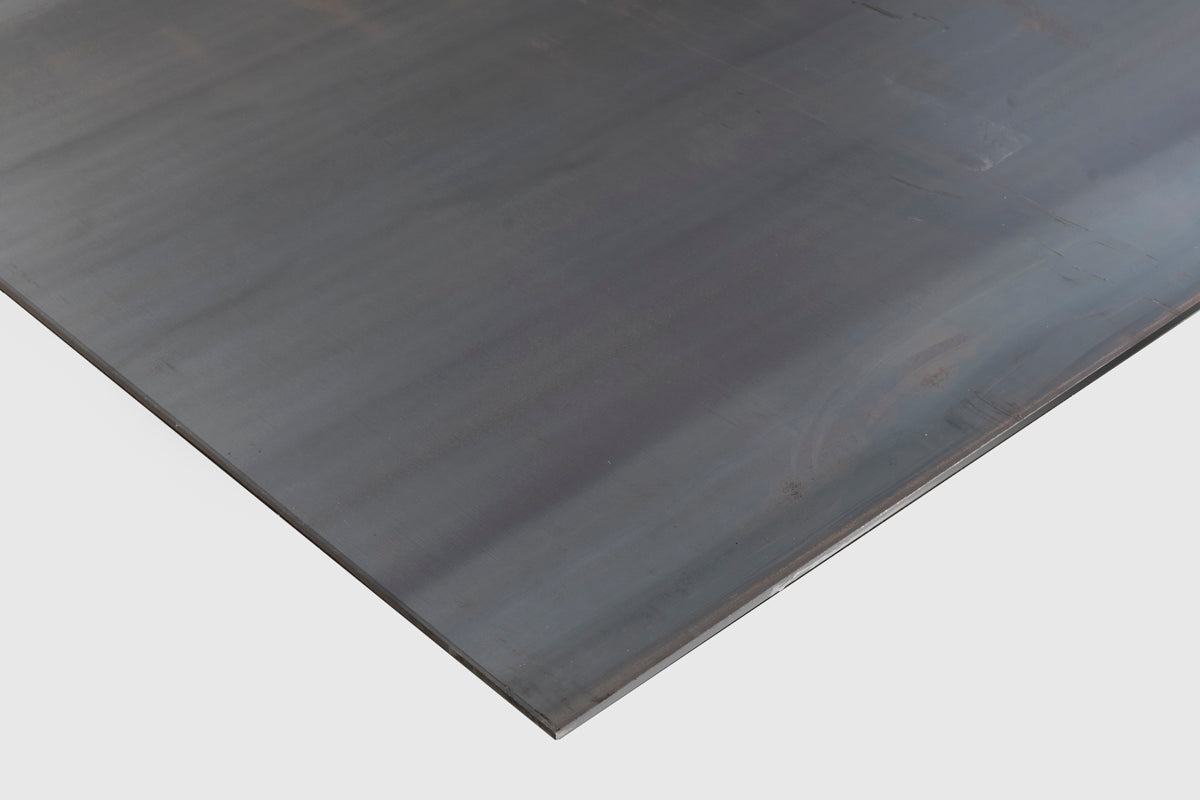
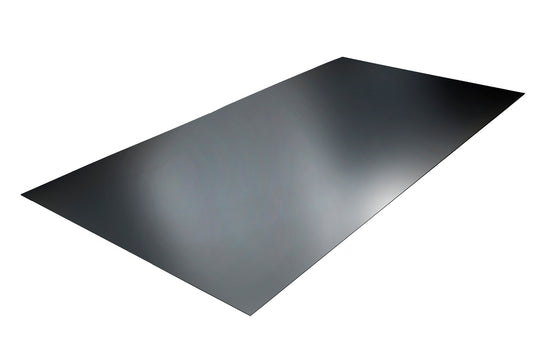
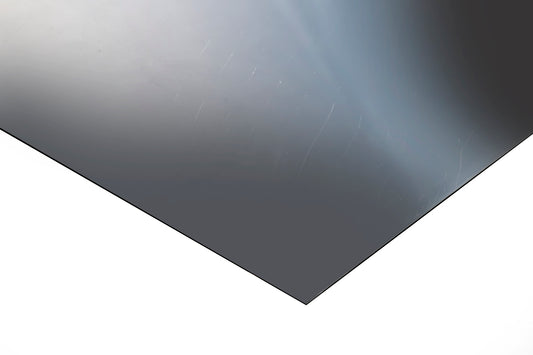
corten-sheet-steel-product-full-size-view

Premium Quality Steel Sheet

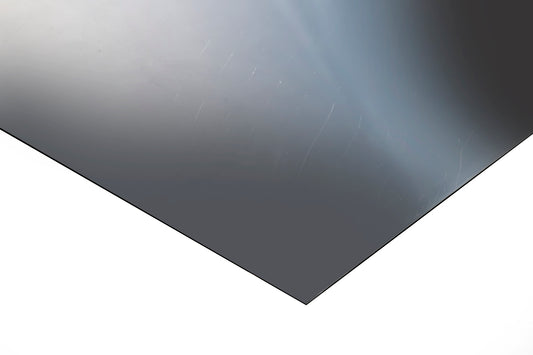
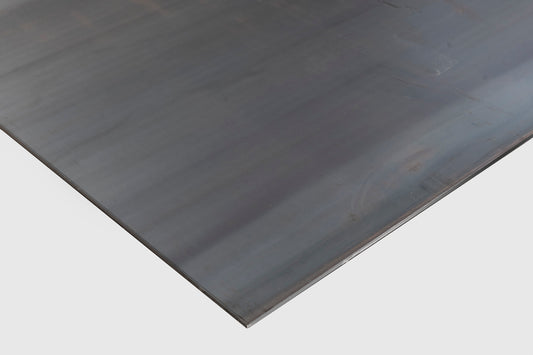
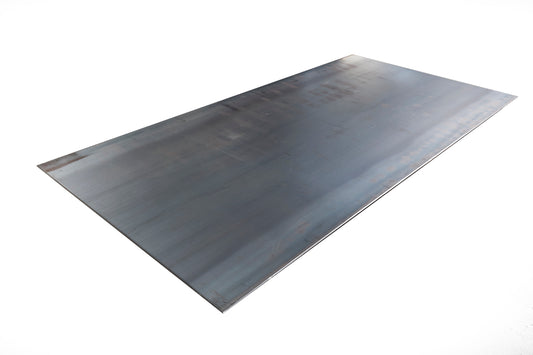
Steel sheet is one of the most useful materials in any workshop or job site; flat, strong, and easy to cut, fold, weld and finish. At Steelmart, we stock a practical range of hot rolled & cold rolled sheet, galvanised sheet for corrosion resistance, and stainless steel sheet when appearance and durability matter.

Whether you’re fabricating brackets and trays, lining a ute canopy, making bench tops, patch panels or general repairs, we’ll help you choose the right thickness and finish and cut to size on request to reduce waste and speed up install.

Common uses for steel sheet

  • fabrication trays, brackets and gussets
  • patch panels and repair plates
  • bench tops, work surfaces and guards
  • ute/trailer panels and general workshop projects
  • folded flashings and cladding (where specified)

(Note: roofing and shed cladding is typically done with profiled roofing sheet, not flat sheet — flat sheet can be used for flashings and fabrication, but it’s not the standard roof sheeting product.)

Hot rolled, cold rolled, galvanised or stainless — which sheet should you choose?

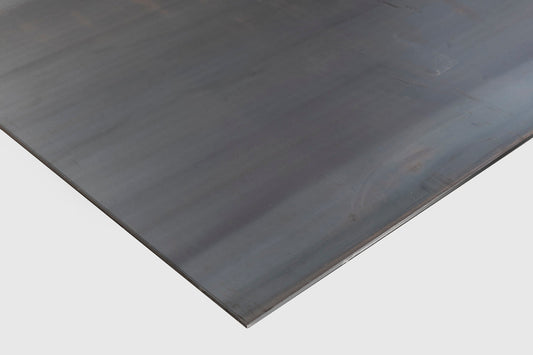
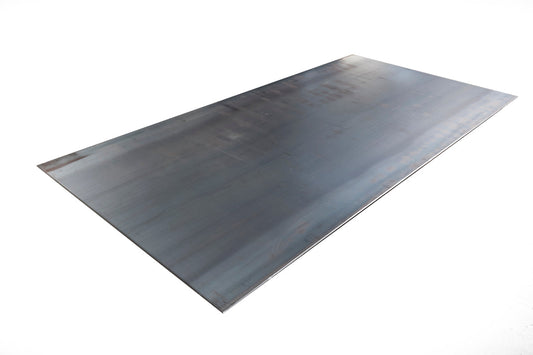
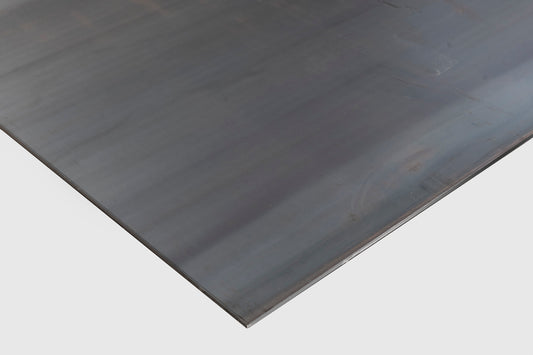
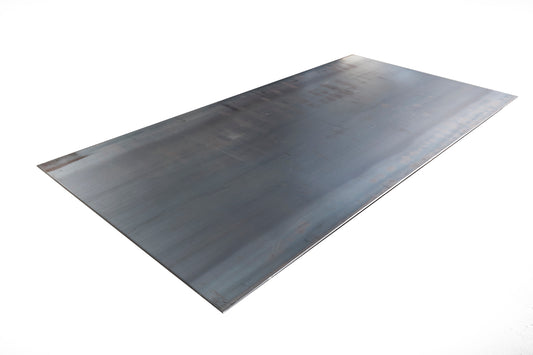
  • Hot Rolled Steel Sheet: the go-to for general fabrication. It’s typically more economical, welds well, and suits jobs where appearance isn’t the priority (or where you’ll be painting/coating after). Ideal for brackets, trays, repairs, gussets and heavy-duty workshop work.
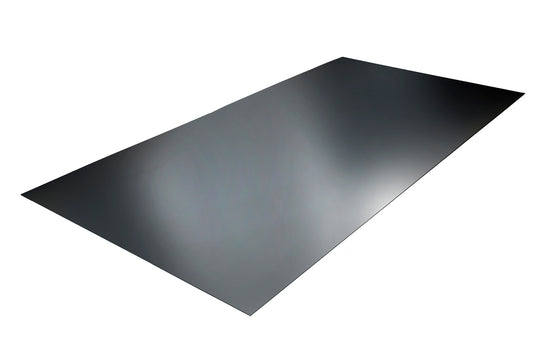
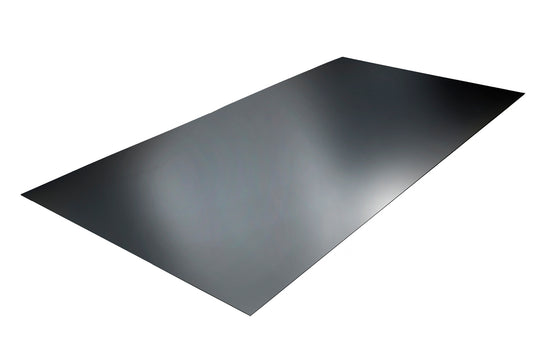
  • Cold Rolled Steel Sheet: cleaner finish and tighter tolerances. Best when you want a smoother surface, more consistent thickness, and a neater result. Great for folded parts, panels, cabinetry, fit-outs and anything being powder coated or painted for a premium finish.
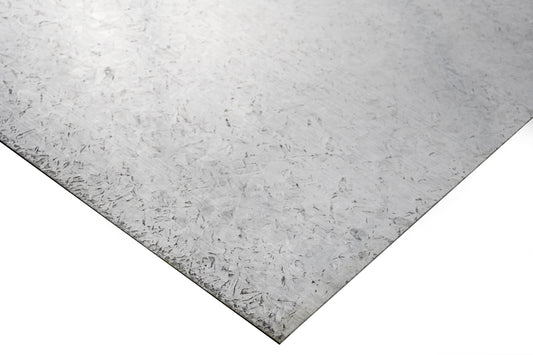
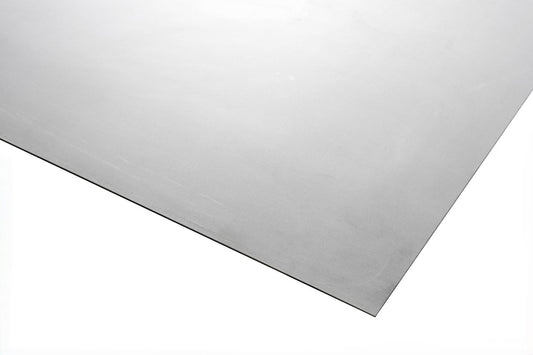
  • Galvanised Sheet: zinc-coated for improved corrosion resistance. A solid choice for many outdoor or moisture-prone applications where you want extra protection compared to uncoated sheet.

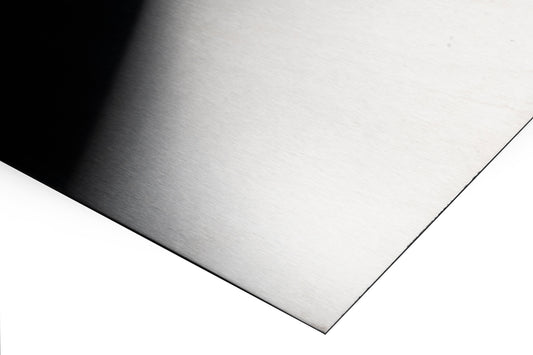
Stainless Steel Sheet: best when you need a premium finish and high corrosion resistance. Grade choice matters — especially for coastal or harsh environments.

If you’re also building frames or supports, it’s common to pair sheet with steel angle, square tube (SHS/RHS) or pipe/tube to create a rigid structure before skinning it with sheet.

Steel plate — when the job needs serious thickness

Steel plate is different to steel sheet, it’s thicker and is used when you need high strength, impact resistance, or load-bearing performance. It’s a staple for industrial work and heavy fabrication and it’s often ordered cut-to-size to save time on the tools.

Typical uses for steel plate

  • base plates, pads and brackets
  • equipment mounts and machine bases
  • trailer components and heavy-duty fabrication
  • wear plates and repairs where strength matters

We stock steel plate in common grades and thicknesses, and we can cut plate to size so you can get straight to welding and assembly. We even have a CNC plasma cutter and can custom cut any shapes and patterns into the plate to suit all of your fabrication needs.

FAQ's

What’s the difference between steel sheet and steel plate?

It mainly comes down to thickness and intended use. Steel sheet is thinner and commonly used for panels, folding, cladding details, skins, trays and general fabrication. Steel plate is thicker and used when you need higher strength, impact resistance or load-bearing performance — things like base plates, equipment mounts, heavy brackets and industrial fabrication.

Which is better outdoors: galvanised or stainless?

Both work outdoors — the best choice depends on the environment and how long you want it to last.

  • Galvanised steel has a zinc coating that helps protect mild steel from corrosion. It’s a great option for many outdoor and moisture-prone jobs.

Stainless steel is the premium option when you need maximum corrosion resistance and a clean finish, especially in coastal or harsh environments (grade selection matters — 316 is commonly chosen near the ocean).

What thickness do I need for my project?

Thickness depends on what the sheet/plate is doing; spanning, supporting load, resisting impact, or just acting as a skin.

As a practical guide:

  • Light duty: skins, covers, folded flashings, non-structural panels
  • Medium duty: trays, guards, bench tops, general fabrication
  • Heavy duty: base plates, mounts, wear-prone areas, heavy brackets and structural-style work

If you tell us the application (span, load, fixing method, and whether it will be walked on or hit), we can help point you to the right thickness.

What grades are available (general mild steel, G350, and stainless)?

Grade availability depends on what you’re building and whether you need general fabrication plate or an engineered structural grade.

  • General mild steel hot rolled plate (everyday fab plate)
    This is your go-to for general fabrication and repairs — cutting, welding, brackets, base plates, trays, patching, and workshop builds. Steelmart stocks mild steel hot rolled plate across a wide range of sheet sizes and heavier thicknesses (e.g. up to 25mm in common stock sizes).
  • G350 hot rolled plate (Grade 350 plate for higher strength work)
    If your job calls for higher strength and more demanding load-bearing applications, step up to G350 (Grade 350) hot rolled plate. It’s positioned for heavy-duty construction and engineering-style work where extra strength matters, and Steelmart stocks it in common heavy-duty plate sizes (e.g. 3000 × 1500) and practical thickness options.
  • Stainless steel (304 and 316 grades)
    When corrosion resistance and a clean finish are the priority, stainless is the move. Steelmart stocks Grade 304 for general stainless work and Grade 316 for harsher exposure (coastal/marine/chemical-adjacent environments).

If compliance matters (or you need a specific grade for an engineered detail), tell us what the job is and what standard/spec you’re working to  and we’ll help match the right plate and provide the right product option.

What’s the difference between hot rolled and cold rolled sheet?

Both are mild steel sheets — the difference is how they’re made and the finish you get:

  • Hot rolled sheet is rolled at high temperature. It’s usually more economical with a darker, scaled surface and looser tolerances. Best for general fabrication, welding, and jobs being painted/coated where appearance isn’t critical.
  • Cold rolled sheet is processed further for a smoother finish and tighter tolerances. Best when you want a cleaner surface, more consistent thickness, and a neater end result, ideal for folding, panels, cabinetry, fit-outs, and powder-coated work.

If you’re unsure, tell us whether it’s a visible “feature” part or purely functional fabrication and we’ll guide you to the right sheet.